 TRUSTED NEWS FROM KHATIMA & UTTARAKHAND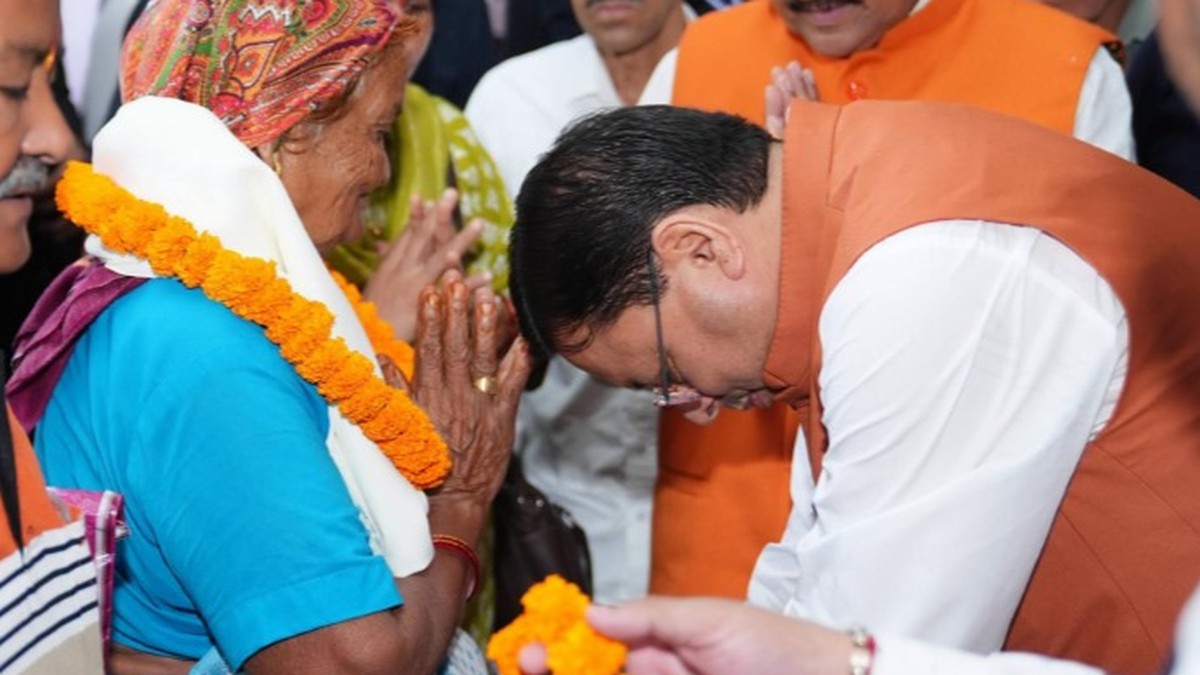
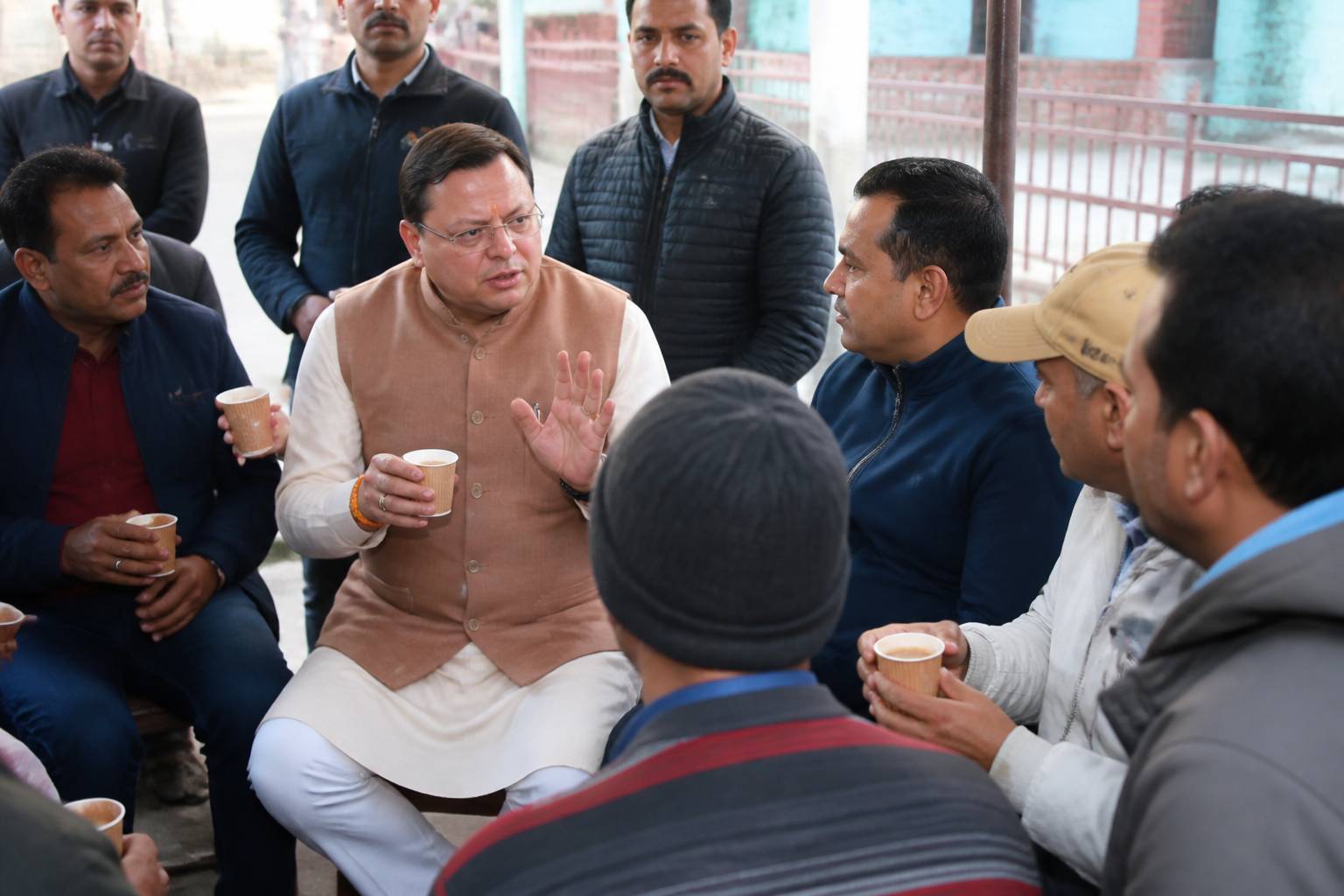
Uttarakhand Chief Minister Pushkar Singh Dhami paid tribute in Khatima to activists who were killed in the statehood movement’s firing incident, linking the creation of the state to years of public struggle and sacrifice. At a tribute programme, he offered floral tributes at the martyrs’ statues and honoured their families with angavastrams.
Dhami remembered Bhagwan Singh Sirola, Pratap Singh, Rampal, Salim Ahmed, Gopichand, Dharmanand Bhatt and Paramjit Singh. He said their sacrifice remained an important part of Uttarakhand’s history and described Khatima as a major centre of the movement for a separate state.
Khatima’s place in the statehood movement
The chief minister said the events at Khatima, Mussoorie and Rampur Tiraha reflected the determination of people who fought for Uttarakhand’s creation. Recalling the Khatima firing incident, he said it gave fresh direction to the campaign and strengthened the resolve of those involved in the movement.
Dhami said Uttarakhand had not been received as a gift. In his remarks, he placed the state’s formation in the context of the sustained efforts and sacrifices made by statehood activists.
He said the government’s responsibility was to work towards a state that reflected the aspirations of people who took part in the movement. Dhami also highlighted the contribution of women, saying their role in the campaign for statehood was significant.
Support for activists and dependants
Dhami referred to measures taken for identified activists and their dependants. The Uttarakhand State Movement Identified Activists or Their Dependants Reservation in Government Service Act, 2023 provides eligible activists and dependants with 10% horizontal reservation in government jobs.
The monthly pension for dependants of martyrs has been increased from ₹3,000 to ₹5,500, according to the chief minister. People injured or jailed during the movement receive ₹7,000 a month, while active activists receive ₹5,500 per month.
Identified activists are also provided identity cards and free travel on government buses. These measures were cited as part of the state’s support for people associated with the movement and for families of those who died during it.
Dhami also mentioned 30% horizontal reservation for women in government jobs, presenting it as recognition of women’s contribution to the statehood movement.
Other government decisions mentioned
The chief minister referred to decisions concerning the Uniform Civil Code, recruitment examinations and protection of Uttarakhand’s cultural identity. He also said more than 34,000 young people had received government jobs through transparent recruitment processes over the past 5 years.
MP Ajay Bhatt, Khatima MLA Bhuvan Kapri and Nanakmatta MLA Gopal Singh Rana addressed the programme. Statehood movement activists, public representatives, officials and local residents were also present.
Conclusion
The Khatima programme combined remembrance of the statehood movement’s martyrs with a presentation of measures for activists, dependants and women. Dhami said the government’s continuing responsibility was to pursue the aspirations associated with the struggle for Uttarakhand.
Frequently Asked Questions
Q. Who paid tribute to the Khatima statehood movement martyrs?
Chief Minister Pushkar Singh Dhami paid tribute to the martyrs at a programme in Khatima.
Q. Which activists were remembered at the programme?
Dhami remembered Bhagwan Singh Sirola, Pratap Singh, Rampal, Salim Ahmed, Gopichand, Dharmanand Bhatt and Paramjit Singh.
Q. What reservation is available to eligible statehood activists and dependants?
The Uttarakhand State Movement Identified Activists or Their Dependants Reservation in Government Service Act, 2023 provides 10% horizontal reservation in government jobs.
Q. What pension do dependants of statehood movement martyrs receive?
The monthly pension for dependants of martyrs has been increased from ₹3,000 to ₹5,500.
Q. What other support is available to identified activists?
Identified activists receive identity cards and free travel on government buses. People injured or jailed during the movement receive ₹7,000 per month, while active activists receive ₹5,500.